
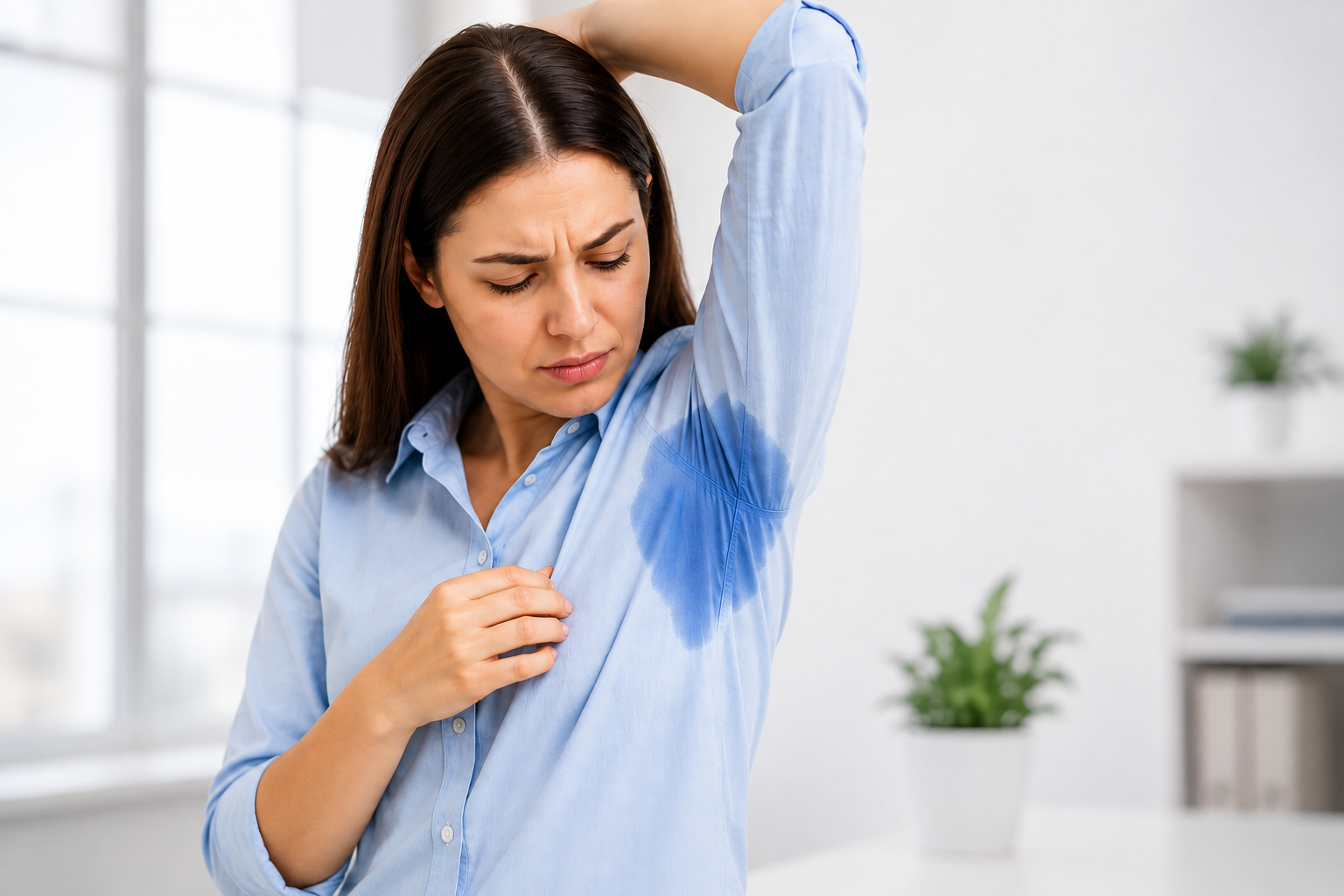
Sweating is a natural process that helps regulate body temperature. However, when sweating becomes excessive without an obvious trigger, it can interfere with daily activities, work, social situations, and confidence. This condition is commonly known as hyperhidrosis or excessive sweating.
Fortunately, modern dermatology offers several treatment options that can help manage excessive sweating and improve everyday comfort.
What Causes Excessive Sweating?
Sweating is controlled by the body's sweat glands and nervous system. People with hyperhidrosis may experience excessive sweating even when the body does not need cooling.
Common areas affected include:
Underarms
Palms
Feet
Face
Scalp
Excessive sweating may occur due to primary hyperhidrosis, which often has no underlying medical cause, or secondary hyperhidrosis associated with certain medications or health conditions. A dermatologist can help identify the possible cause.
When Should You Consider Treatment?
Occasional sweating is normal, especially during exercise, hot weather, or stressful situations. Treatment may be worth considering when sweating:
Happens frequently without an obvious reason
Soaks through clothes
Makes it difficult to use electronic devices or tools
Affects work or social activities
Causes ongoing discomfort or embarrassment
A professional evaluation can help determine whether the sweating requires medical or cosmetic treatment.
Treatment Options for Excessive Sweating
The appropriate treatment depends on the affected area, severity, and individual needs.
Topical Treatments
Prescription-strength antiperspirants may help reduce sweat production by temporarily blocking the sweat ducts. They are often considered an initial treatment option for localized sweating.
Injectable Treatments
Certain injectable treatments can temporarily reduce excessive sweating by interfering with the nerve signals responsible for activating sweat glands. These treatments are commonly considered for underarm, palm, or other localized hyperhidrosis.
Advanced Dermatology Treatments
For individuals who need additional support, dermatologists may recommend advanced procedures depending on the location and severity of sweating. A personalized assessment helps determine the most appropriate approach.
Lifestyle Tips for Managing Excessive Sweating
Alongside professional treatment, simple habits may help manage sweating:
Choose breathable clothing.
Keep affected areas dry.
Use dermatologist-recommended antiperspirants.
Identify personal triggers such as heat or stress.
Maintain good hydration.
Change damp clothing when necessary.
Why Professional Assessment Matters
Excessive sweating can have different causes and levels of severity. Self-treating without understanding the underlying issue may not provide the desired improvement. A dermatologist can evaluate your symptoms and recommend suitable hyperhidrosis treatment based on your individual condition.
Excessive sweating is more than a minor inconvenience when it begins affecting your comfort, confidence, or daily routine. With modern hyperhidrosis treatments, including topical options and advanced dermatology procedures, there are several ways to manage excessive sweating.
If persistent sweating is affecting your everyday life, consult a qualified dermatologist to understand the cause and explore a treatment plan suited to your needs.