
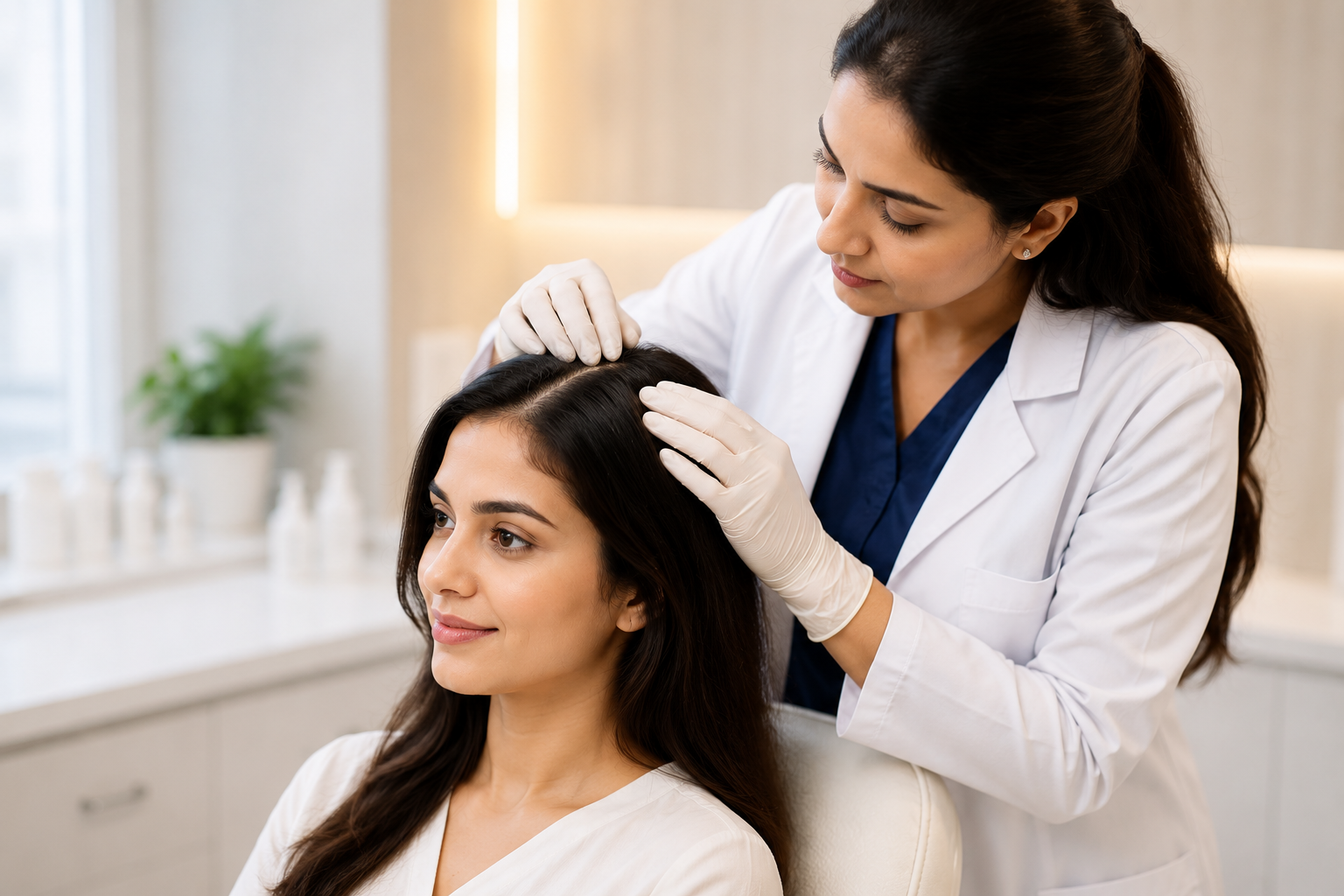
Hair fall has become one of the most common concerns among both men and women. Factors such as stress, hormonal changes, genetics, poor nutrition, and lifestyle habits can contribute to hair thinning and reduced hair density. As more people look for effective, non-surgical solutions, PRP Hair Therapy has gained popularity as an advanced hair regrowth treatment that supports healthier hair growth.
What Is PRP Hair Therapy?
PRP (Platelet-Rich Plasma) Hair Therapy is a modern dermatology treatment that uses the growth factors present in your own blood to support the natural hair growth cycle. After processing a small blood sample, the platelet-rich plasma is carefully applied to targeted areas of the scalp to help stimulate hair follicles.
PRP Hair Therapy is commonly recommended for individuals experiencing:
Hair thinning
Early-stage hair loss
Reduced hair density
Weak or damaged hair
A consultation with a dermatologist helps determine whether PRP Hair Therapy is suitable for your hair condition.
Benefits of PRP Hair Therapy
One reason PRP Hair Therapy is becoming a preferred hair restoration treatment is its ability to support natural hair growth without surgery.
Some of the key benefits include:
Supports healthier hair follicles
Encourages natural hair regrowth
Improves hair thickness and density
Minimally invasive procedure
Little downtime after treatment
Suitable for both men and women
Results vary depending on individual hair conditions, age, and overall scalp health.
Who Can Benefit from PRP Hair Therapy?
PRP Hair Therapy may be suitable for people experiencing mild to moderate hair loss or those looking to improve overall hair quality.
It may be beneficial for:
Men with pattern hair loss
Women experiencing hair thinning
Individuals with early hair fall concerns
People seeking a non-surgical hair restoration option
An experienced dermatologist can recommend a personalized treatment plan based on your hair and scalp assessment.
Supporting Hair Growth Naturally
Professional treatments work best when combined with healthy daily habits. To maintain healthy hair, consider:
Eating a balanced diet rich in protein and vitamins
Managing stress effectively
Using dermatologist-recommended hair care products
Avoiding excessive heat styling and harsh chemical treatments
Following your recommended treatment schedule
These habits can help support long-term hair and scalp health.
Conclusion
PRP Hair Therapy has become one of the most preferred hair regrowth solutions because it combines advanced dermatology with the body's natural healing process. Whether you are experiencing hair thinning or early hair loss, this treatment offers a non-surgical approach to improving hair density and scalp health.
If you are considering PRP Hair Therapy, consult a qualified dermatologist to determine the most suitable treatment plan for your hair goals. Combined with healthy lifestyle habits and expert guidance, PRP Hair Therapy can be an important step toward stronger, healthier-looking hair.