
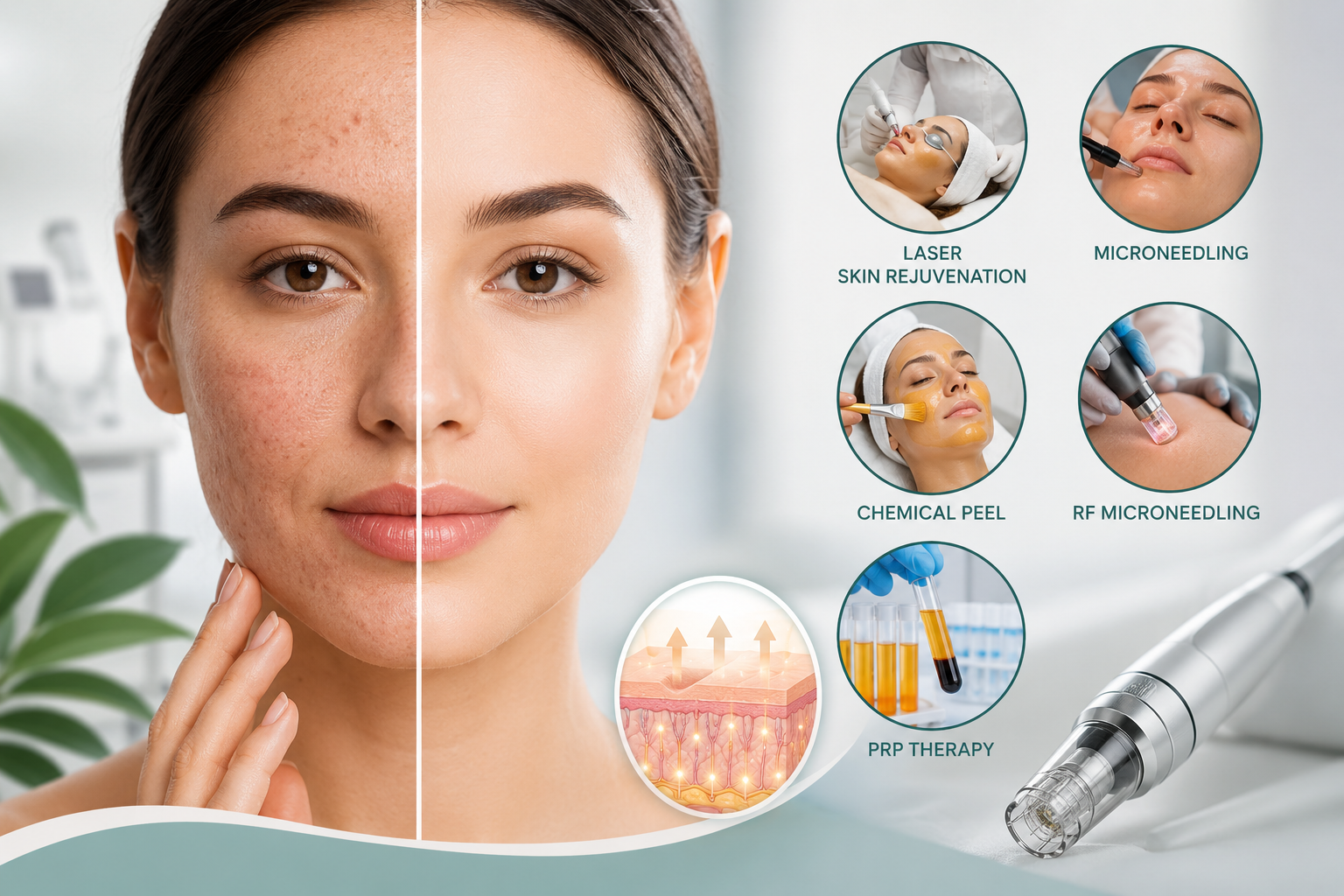
Acne may disappear over time, but the scars it leaves behind can continue to affect your skin's appearance and confidence. Whether you have deep acne scars, dark acne marks, or uneven skin texture, modern dermatology offers advanced acne scar treatments that help improve skin quality and restore a smoother complexion.
This guide explores the causes of acne scars, different types of scars, and the most effective professional treatments available for healthier, clearer skin.
What Causes Acne Scars?
Acne scars develop when inflamed breakouts damage the deeper layers of the skin. During the healing process, the skin produces collagen to repair itself. If too little or too much collagen is produced, visible scars may form.
Common factors that increase the risk of acne scars include:
Treating acne early can help reduce the chances of permanent scarring.
Types of Acne Scars
Understanding your scar type helps determine the most suitable treatment.
Atrophic Scars :
These are the most common acne scars and appear as small depressions in the skin.
Examples include:
These are flat dark or red spots left after acne heals. They are caused by pigmentation rather than permanent skin damage.
Hypertrophic Scars :
Raised scars caused by excess collagen production. These are less common and usually appear on the chest, shoulders, or jawline.
A dermatologist can identify the scar type and recommend the most appropriate treatment.
Advanced Treatments for Acne Scars
Today's cosmetic dermatology offers several advanced procedures to improve acne scars and overall skin texture.
Laser Skin Rejuvenation :
Laser skin rejuvenation is one of the most popular treatments for acne scars. It works by stimulating collagen production while improving skin texture and tone.
Benefits include:
Laser treatments are suitable for many individuals seeking long-term skin improvement.
Microneedling
Microneedling creates controlled micro-injuries in the skin to encourage natural collagen production.
Benefits include:
It is commonly recommended for mild to moderate acne scars.
Chemical Peel Treatment
Chemical peels gently exfoliate damaged skin cells and encourage fresh skin renewal.
Chemical peels may help improve:
Multiple sessions may be recommended depending on skin concerns.
RF Microneedling
Radiofrequency microneedling combines traditional microneedling with radiofrequency energy to improve collagen remodeling.
This treatment supports:
It is often chosen by individuals seeking comprehensive skin rejuvenation.
PRP Therapy for Skin Rejuvenation
Platelet-Rich Plasma (PRP) therapy uses the body's natural growth factors to support skin repair and collagen production.
Potential benefits include:
PRP is frequently combined with microneedling for enhanced results.
Daily Skincare Tips to Reduce Acne Marks
Professional treatments work best when combined with a healthy skincare routine.
Cleanse Gently
Use a gentle cleanser twice daily to remove excess oil, dirt, and impurities without damaging the skin barrier.
Wear Sunscreen Every Day
Sun exposure can make acne marks appear darker and slow the fading process.
Using a broad-spectrum sunscreen daily helps:
Hydrated skin heals more efficiently and maintains a healthier skin barrier.
Avoid Picking Pimples :Picking acne increases inflammation and raises the likelihood of permanent scarring.
Healthy Habits That Support Clear Skin
Lifestyle choices can also influence skin health.
Eat a Balanced Diet
Foods rich in vitamins, antioxidants, and protein help support healthy skin.
Stay Hydrated
Adequate water intake helps maintain overall skin function.
Get Enough Sleep
Quality sleep allows the skin to repair and renew itself naturally.
Manage Stress
Stress may contribute to acne flare-ups in some individuals. Relaxation techniques and healthy routines can support overall skin wellness.
When Should You Visit a Dermatologist?
Professional evaluation is recommended if:
Early treatment often provides better long-term skin improvement.
Choosing the Right Acne Scar Treatment
Every person's skin is different. Factors such as skin type, scar severity, age, and lifestyle influence the most suitable treatment plan.
A dermatologist may recommend a single treatment or combine multiple procedures to achieve gradual, natural-looking improvements.
Following professional skincare advice before and after treatment helps maximize results and maintain healthier skin.
Conclusion
Acne scars do not have to define your skin. With advancements in cosmetic dermatology, treatments such as laser skin rejuvenation, microneedling, chemical peels, RF microneedling, and PRP therapy provide effective options for improving skin texture and reducing the appearance of scars.
Combining professional acne scar treatment with a consistent skincare routine, daily sun protection, and healthy lifestyle habits can support clearer, smoother, and more confident-looking skin over time. Consulting an experienced dermatologist is the first step toward choosing the treatment that best suits your skin goals.